Kupelo Holding
AboutEcosystemESGVisionPerformanceTeamInsights20 Years
|
Contact us
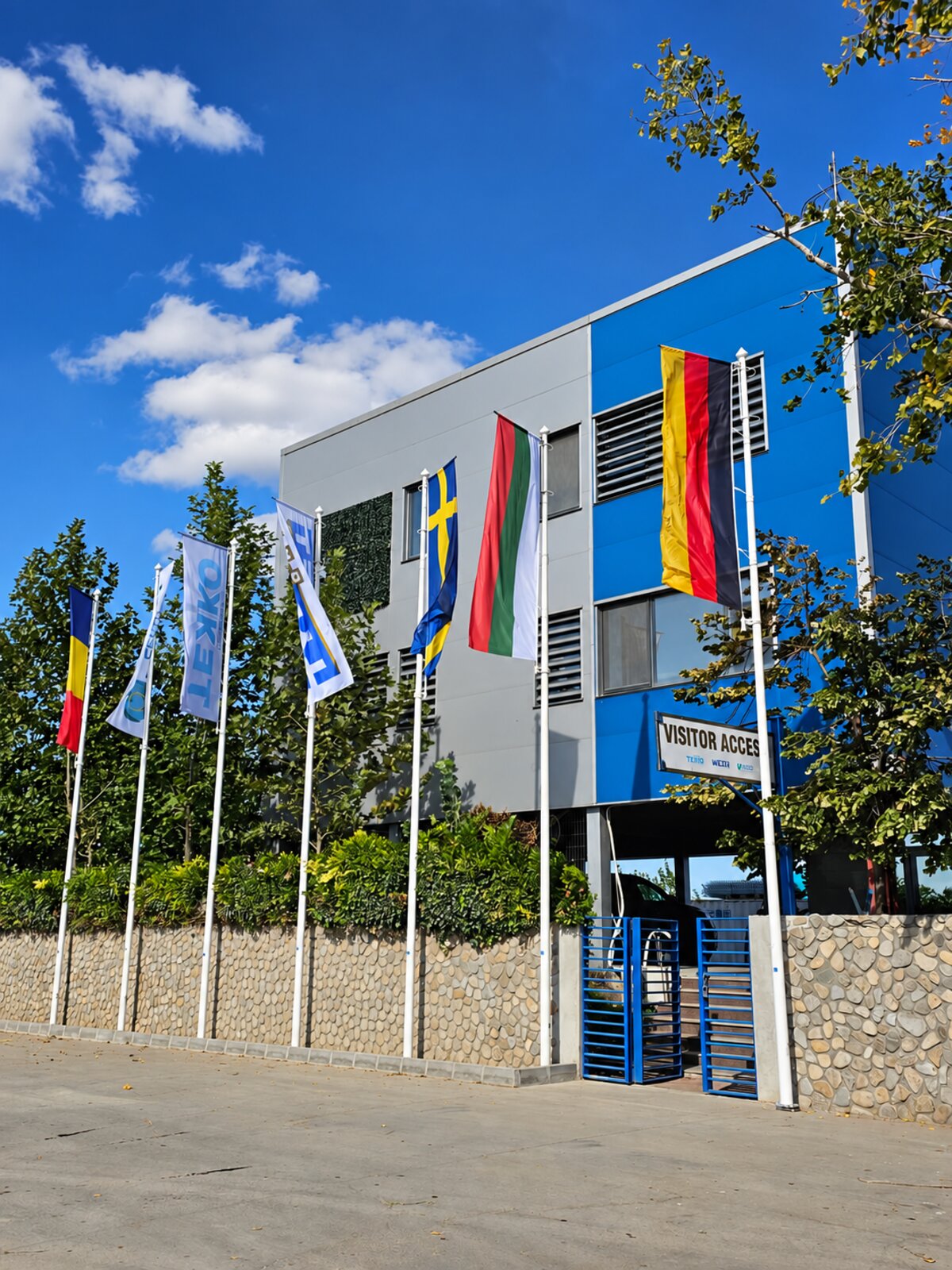
KUPELO headquarters entrance with Kaputt Sekuro, Tekko and Tybet Oko flags beside international flags

ESG in practice: integrated waste management at KUPELO HOLDING

A company's ESG performance is also built in the places where it generates, stores and hands over waste. What matters is how materials are identified, how contamination is prevented, who transports them, what treatments they receive and what happens to the resulting fractions.

At KUPELO HOLDING, we approach waste management as a technical process, with responsibilities, acceptance criteria, authorized operations and documented results. Through TEKKO LOGISTIK INDUSTRY, TYBET OKO and KAPUTT SEKURO, we connect waste collection, waste transport, waste treatment, waste recycling and secure destruction with the sustainability goals of the companies we work with. For industrial platforms, these services are complemented by industrial facility clean-up, industrial demolitions and the management of resulting materials, depending on the specifics of the project and the applicable permits.

We have two complementary directions: integrating ESG principles into our own activities and supporting partners in improving their environmental performance, traceability and the quality of the data used in reporting. Our contribution to our clients' ESG assessments starts from what we can demonstrate: controlled flows, recovered materials, documented destinations and managed risks.

1. How we integrate ESG into our activities

ESG integration involves the commercial, operational, logistics, technical, environmental, human resources and finance departments. A solution proposed to a client must be executable safely, within the limits of the permits and with documents that support the declared result.

In the E — environment component, our priorities are resource recovery, reducing disposal, pollution prevention and controlling the consumption associated with treatment. In the S — social component, we follow staff safety, training for waste handling, the protection of those involved in transport and the impact of operations on communities. In the G — governance component, the emphasis falls on professional conduct, the verification of partners, respect for authorized competencies and the integrity of records.

Professional conduct means, concretely, describing a waste correctly, declaring the limits of a solution and documenting the destination of materials. Any non-conformity must be identified and resolved before a flow is accepted, treated or delivered as a product.

2. Waste collection and integrated waste management on industrial platforms

For us, the commercial offer is based on an assessment of the real situation. We analyse the source of generation, the types of waste, the estimated quantities, the collection frequency, the storage conditions and the client's objective: recycling, the recovery of materials, energy recovery, site clean-up or secure destruction.

The on-site assessment looks at access for loading, the condition of packaging, the presence of leaks, the mixing of incompatible materials, the possibility of separate collection and the risks to soil, water and personnel. For flows that require further characterization, we establish the necessary information, sampling and analyses before acceptance.

Waste classification takes into account the European List of Waste and the hazard properties HP1–HP15, where applicable. A methodological reference is European Commission Notice 2018/C 124/01 — Technical Guidance on the Classification of Waste. The waste code must be correlated with the origin, composition and characteristics of the material.

This stage makes it possible to choose an adequate treatment route and to identify improvement opportunities at the client: separation at source, reduced contamination, correct packaging and the recovery of fractions that, in a mixed flow, would lose their value.

Through integrated waste management on industrial platforms, we connect the assessment of flows with the organization of collection, temporary storage, transport planning and the choice of treatment operations. We establish collection points, suitable containers, responsibilities and evacuation frequency according to the beneficiary's activity.

The collection of hazardous and non-hazardous waste must be organized so that it preserves the separation of materials and avoids the contamination of recyclable fractions. An efficient industrial waste management service follows the continuity of the client's activity, the safety of the site and the possibility of documenting each flow up to its destination. Integrating collection, transport and treatment data allows operational departments and ESG teams to work with the same records.

3. Authorized waste transport: hazardous waste, ADR and IPROCHIM inspections

Environmental protection begins before loading. We establish packaging requirements based on physical state, composition, chemical compatibility and handling risks. We follow the integrity of containers, their closure, labelling, the separation of incompatible materials and the prevention of losses during transport.

For waste classified as dangerous goods for transport, we apply the relevant ADR requirements: classification, packaging, markings, documents, vehicle equipment and personnel qualification. The classification of a waste as hazardous from the perspective of environmental legislation is verified separately from its classification for transport.

We use means of transport appropriate to the flows taken over, with the applicable approvals and inspections. IPROCHIM documents are reported to the equipment, tanks or inspections for which they were issued.

For hazardous waste transport and ADR waste transport services, we correlate the characterization of the load with the documents, the means of transport and the unloading conditions. Planning the transport of dangerous substances also involves verifying the classification of the goods and the applicable ADR requirements.

For the client, this discipline supports the control of operational risks and the documentation of how waste leaves the site.

4. Reception, the characterization sheet and controlled storage

At reception, we verify the correspondence between the documents and the delivered waste: origin, code, quantity, packaging and characteristics relevant to treatment. Weighing, inspection and, when necessary, sampling support the acceptance decision.

The characterization sheet brings together the information necessary to identify and manage the flow: provenance, known composition, hazard properties, available analyses, incompatibilities, storage conditions and the proposed treatment route.

A central technical reference is the BREF Waste Treatment, the European reference document on best available techniques for waste treatment, together with the BAT Conclusions adopted through Implementing Decision (EU) 2018/1147. BAT 2 covers pre-acceptance, acceptance, the waste inventory and tracking, output quality control, segregation and compatibility.

Storage is organized according to the nature and risks of the materials, in identified areas, with adapted retention and protection measures. Non-conforming flows are separated until the technical solution is clarified.

5. Waste treatment, neutralization and recycling: choosing authorized operations

Operations are selected within the limits of the environmental permits and the applicable integrated environmental authorizations of each installation. For each flow, what matters are the accepted codes, the authorized operations, the capacities, the operating conditions and the monitoring requirements.

The waste hierarchy establishes the order of priorities: prevention, preparation for re-use, recycling, other recovery operations — including energy recovery — and disposal. Repair can contribute to prevention or to preparation for re-use, depending on the status of the material.

We aim to preserve the value of materials for as long as possible. Disposal remains the solution for fractions that cannot be recovered legally and safely. Our internal ceiling targeted for the share of disposal is a maximum of 2% annually; according to internal operational records, the historical results reported have not exceeded 1%. This indicator is interpreted within the scope of the flows and of the periods to which the records refer.

In reporting, we differentiate recycling from energy recovery and from disposal. Handing over a waste to an operator for an intermediate stage is not, in itself, proof of final recycling.

Waste neutralization: reducing hazards through appropriate treatments

Waste neutralization is established according to the nature of the contaminants and the authorized operations. For certain acidic or alkaline flows, this can include the controlled adjustment of pH; other flows require specific decontamination, stabilization or treatment processes. We select the solution based on characterization, compatibility and the acceptance criteria for the next stage. The residues generated by treatment are characterized and managed separately.

The result is verified through the parameters relevant to the process. The term “neutralization” does not mean that every hazard property has been removed and does not automatically equate to recycling or to the end of waste status.

Waste disposal, incineration and co-incineration: documented destinations

For flows that require waste incineration or waste co-incineration, the choice of route takes into account composition, calorific value, contaminants and the conditions of the destination plant. Co-incineration can integrate the use of waste in an industrial production or energy generation process. The classification of the operation as recovery or disposal is verified against the permit and the applicable legal conditions.

We document the handover to the authorized plant, the quantity and the operation applied. In the analysis of waste disposal solutions, we first verify the recovery alternatives and justify the route chosen for the fractions that cannot be recovered. Thermal treatment, energy recovery and material recycling are highlighted distinctly in ESG data.

6. Recycling of electrical and electronic waste: recovering materials through TYBET OKO

We manage over 3,000 tonnes of waste electrical and electronic equipment per month, according to operational data reported at group level. This volume represents managed waste; recycling and recovery yields are established separately, by category and on the basis of documented results.

The technical approach aims at the identification of equipment, the separation of components that require specific treatment, decontamination and the recovery of metal fractions and of the other recoverable materials.

The EN 50625 series is a technical reference for the collection, logistics and treatment of WEEE, applicable depending on the equipment category and the process. Decontamination and control requirements must be correlated with the permits and with the characteristics of the flow.

We also analyse the potential for recovering critical and strategic raw materials, where the composition of the equipment and the treatment solutions allow it. The estimated presence of a material in an equipment is distinct from its actual recovery: the result must be supported by separation, characterization and a documented industrial destination.

7. Alternative fuels: characterization and energy recovery

The group's activity includes approximately 6,000 tonnes of alternative fuels per year, according to reported operational data.

For eligible flows, the technical solution aims to obtain a fraction with properties suitable for the beneficiary plant. We evaluate, where applicable, calorific value, moisture, ash content, chlorine, metals and other parameters relevant for use and emissions control.

Hazardous waste that can follow an energy recovery route is managed under the applicable permits and the acceptance criteria of the destination plant. Treatment does not automatically remove the hazardous character and does not automatically end waste status.

ISO 21640:2021 — Solid recovered fuels — Specifications and classes is a reference for the classification of solid recovered fuels produced from non-hazardous waste. Its scope does not automatically extend to fuels derived from hazardous waste.

In the data provided to clients, energy recovery is highlighted separately from material recycling.

8. Artificial and recycled aggregates: products with defined uses

Through TEKKO LOGISTIK INDUSTRY, we produce approximately 2,000 tonnes of artificial aggregates per year, according to reported operational data. The flow of recycled aggregates from mineral waste is highlighted separately.

Artificial aggregates from glass waste

The process includes sorting, material preparation, the removal of impurities, crushing and granulometric classification. The internal procedure also provides for washing, decantation and water recirculation in the process.

For glass from CRT equipment, the separation and treatment stages must be correlated with the characterization of the material and with the verification of relevant contaminants. The acceptance of the fraction for subsequent use is based on appropriate criteria and analytical results.

CERTIND Certificate no. 2174-CPR-1565, issued on 12.06.2026, covers factory production control for artificial aggregates from glass waste, grading 0/4 mm, according to SR EN 13242+A1:2008 / EN 13242:2002+A1:2008, under evaluation system 2+.

The declared uses are in unbound or hydraulically bound materials for civil engineering and road construction works.

Recycled aggregates from inorganic waste

The production flow includes the verification of inputs, the separation of unsuitable materials, crushing, the magnetic separation of ferrous fractions and granulometry control. Procedure PL-02 describes the use of the RUBBLE MASTER RM60 crusher, storage by grading and the documentation of deliveries.

CERTIND Certificate no. 2174-CPR-1566, issued on 12.06.2026, covers recycled aggregates from inorganic waste, grading 0/31.5 mm, based on the same EN 13242 standard and system 2+.

Production control, the applicable declarations of performance and the delivery documents allow the beneficiary to correlate the batch with the declared use. The scope of these certificates covers the mentioned applications and does not automatically extend to aggregates for structural concrete.

9. End of waste status: compliance for each batch

We pursue obtaining materials that can re-enter industry as secondary raw materials and, where the legal criteria are met, the end of waste status.

For iron, steel and aluminium, the European framework is Regulation (EU) No 333/2011. For copper, Regulation (EU) No 715/2013 applies. These mechanisms involve criteria on inputs, treatment, the quality of the resulting material, the management system and the declaration of conformity.

For TYBET OKO SRL, CERTIND Certificate no. 26287 P/2024, issued on 21.08.2024 and valid until 20.08.2027, documents the verification of the management system for copper recovery under Regulation 715/2013, in accordance with art. 6 para. (5), with the supervision provided for in the certificate.

System certification supports the compliance process; meeting the criteria is verified for the batches to which the corresponding status is attributed.

10. Recovery of wood impregnated with creosote

Used railway sleepers and other creosote-impregnated wood elements require a specific route, with the identification of risks and the control of subsequent use.

TEKKO LOGISTIK INDUSTRY holds CERTIND Certificate no. 27367 P/2025, issued on 15.05.2025 and valid until 14.05.2028, for the recovery and recycling process of wood material from waste used railway sleepers and other creosote-impregnated wood elements.

The certification is carried out under scheme 6, according to SR EN ISO/IEC 17067:2014, based on the evaluated technical procedure. Recovery is pursued within the limits of the certified process, the permits and the restrictions applicable to the material and its use.

11. Coarse compost from biodegradable waste

For eligible biodegradable plant waste and green waste, we pursue recovery through composting and obtaining a material intended for the fertilization of agricultural soils.

The process includes the verification of inputs, sorting, shredding, the forming and aeration of the piles, monitoring and the verification of the product. Production control involves sampling, analyses and the identification of non-conforming batches, with their separation and correction before delivery.

CERTIND Certificate no. 915 P/2026, renewed on 21.07.2026 and valid until 28.07.2029, concerns the coarse compost produced by TEKKO LOGISTIK INDUSTRY, with total nitrogen of at least 1.5% and total carbon of at least 12%, intended for the fertilization of agricultural soils.

The certification is based on the evaluated technical documentation and formulation, under scheme 5, according to SR EN ISO/IEC 17067:2014. The eligibility of inputs and the use of the compost are verified against the applicable permits and requirements.

12. Secure destruction with material recovery

Through KAPUTT SEKURO, we connect the requirements of secure destruction with circular economy objectives.

The process must reach the agreed level of destruction for the protection of information, products or brand. After this objective is met, we pursue the separation and recovery of recyclable fractions, where the materials and the security conditions allow.

The chain of custody, the identification of the goods taken over, the documentation of destruction and the records of the resulting fractions are distinct components of the service. For the client, the destruction documents and the evidence on the recovery of materials answer complementary needs: security and environmental performance.

13. Contaminated site clean-up, facility clean-up and industrial demolitions

Waste management intersects with contamination assessment when there are spills, historical storage or activities that can affect soil and water.

Law no. 74/2019 establishes the framework for the management of potentially contaminated and contaminated sites. The assessment takes into account the sources of pollution, the migration pathways and the receptors, as well as the present and future use of the land.

In this area, the competence for preliminary investigation — PI is supported by the certification of specialist Ghimici Rodica, certificate series REX no. 028/01.03.2024, valid until 01.03.2027. The other stages of a project are assumed within the limits of the applicable competencies and certifications.

For partners, the early identification of these risks can underpin decisions on site clean-up, investments, the change of land use and remediation costs.

Clean-up of industrial facilities and equipment

In facility clean-up projects, we assess the existing residues in tanks, pipes and equipment, as well as the risks associated with opening and dismantling them. Planning includes isolating the facility, the controlled removal of residues, the collection of liquids and sludges and preparing the materials for treatment or recovery. The procedures are adapted to the substances present and the working conditions.

Industrial demolitions with separation and recovery of materials

In industrial demolition works, the inventory of materials and the identification of hazardous components precede dismantling and demolition. We plan the separation of metal and mineral flows and of the materials that require special management, within the limits of the project documentation and permits.

The collection of waste resulting from demolition, the transport to authorized plants and the treatment of mineral waste can support the recovery of metals and the production of recycled aggregates. Contaminated materials are kept separate to protect the quality of the recoverable fractions.

Contaminated site clean-up pursues the remediation objectives established for the site. The assessment, removal or treatment of materials and the final verifications must be correlated with the identified risks and with the future use of the land. The project data allow the beneficiary to track both the quantities managed and the results of the intervention.

14. How we build environmental indicators for clients

An E indicators sheet must allow the calculation to be reconstructed from the source documents. For each indicator we establish the period, the location, the flows included, the unit of measure, the calculation method, the person responsible and the available evidence.

IndicatorWhat we trackSupporting documents and data
Waste generated and taken overQuantities by code and category, hazardous/non-hazardous separatedRecords, weighings, handover documents
Preparation for re-use and recyclingQuantities with a documented result, separated by operationProcess records and confirmations from recipients
Other forms of recoveryIncluding energy recovery, highlighted distinctlyTransfer documents and confirmation of the operation
DisposalQuantities and share within the defined scopeDocuments related to the disposal operations
Recovered materialsObtained fractions and products, without double countingMass balances, analyses, deliveries
TraceabilityDestination and operation known for the tracked flowsIdentity of the recipient, permits, confirmations
Consumption and emissionsMeasured data or estimates with an explicit methodEnergy, fuel, water and documented factors

The mass balance correlates inputs, outputs, stocks and justified process losses. A quantity in stock at the end of the period must be highlighted as such.

For design for recyclability, we analyse the extent to which the product or packaging can be disassembled, separated and recycled: composition, incompatible materials, adhesives, contaminants and access to adequate processes. The estimated percentage of recyclable mass must be accompanied by assumptions. Potential recyclability and effectively achieved recycling are different indicators.

By waste with an unknown destination we mean, in traceability analysis, the flows for which the available information does not allow the identification of the destination or of the subsequent operation. An example is a batch handed over to an intermediary, for which the takeover document exists but data on the final plant and the applied treatment are missing. A batch in an identified stock has a known situation, even if its treatment has not been completed.

15. Contribution to partners' ESG performance and rating

We support companies in turning their waste management policy into verifiable results. Our contribution can support reporting on resource use and the circular economy, including ESRS E5, when it is applicable and relevant for the company concerned.

We work with partners on identifying flows with recovery potential, defining objectives, improving separate collection and organizing the evidence needed for assessments. Technical data can support the answers to ESG questionnaires, audits and the requirements of clients or financiers.

A better ESG rating depends on the assessor's methodology, on the performance of the entire company and on the implementation of its own policies. Our role is to contribute with operational improvements and solid evidence in the field where we have competence.

We also analyse the anticipated financial effects of impacts, risks and opportunities: treatment and transport costs, the loss of value through the contamination of materials, investments in separate collection, possible remediation costs and opportunities for resource recovery. Estimates are built with explicit assumptions, time horizon and scenarios. Climate or economic benefits are quantified when there are data and an appropriate method.

16. Permits, certifications and technical transparency

An environmental permit, the certification of a management system and the certification of a product or process have different roles. We correlate them with the company, the location, the activity and the domain for which they were issued.

The ISO 9001, ISO 14001 and ISO 45001 standards are references for quality management, environmental management and occupational health and safety. Held certifications are communicated within their scope and validity conditions. For the described products and processes, the CERTIND documents specify the standard or the scheme assessed; validity is maintained by complying with the surveillance requirements.

The same rigour applies to our own procedures, licences and industrial property rights: each must be associated with the technology and the document that supports it.

At KUPELO HOLDING, the contribution to ESG is visible in field decisions and in documented results: a correctly separated flow, a transport prepared safely, a recovered fraction, a verified product and a known industrial destination. On this basis we build both our own performance and the support we offer to partners.

Kupelo Holding

Waste Managed. ESG Delivered.

Contact

contact@kupelo-holding.comStr. Fermei, nr. 1, loc. Sindrilita, jud. ILFOV

HOLDING

  • About
  • Ecosystem
  • ESG
  • Vision
  • Team

COMPANIES

Tekko Logistik IndustryKaputt SekuroTybet Oko

Legal

  • Privacy Policy
  • Terms of Use
  • Legal Information

© 2026 Kupelo Holding. All rights reserved.

KUPELO 8 8 8 HOLDING S.R.L. · CUI 53548846 · J2026005629006